


Everything you need to plan, build, and improve your Human Video, from templates and judging criteria to coaching and writing best practices.
Start with the essentials
Our Human Video starter template is designed to guide you from idea to performance, whether you’re starting from scratch or refining an existing concept.
This template provides a structured approach to storytelling, pacing, and progression so you’re not guessing your way through the process.
Coaching your team
Great Human Videos are built through intentional coaching, repetition, and clarity.
Practice Structure
Break practices into:
- Warm-up / exercises
- Scene work
- Full run-throughs
End with quick feedback and adjustments.,
Choosing Roles
- Expressive and committed
- Willing to step into character
Place stronger performers in key storytelling moments.
Don’t overcomplicate.
Clarity > complexity!
Emotion Line Drill:
Have students stand in a line and act out emotions (fear, joy, anger, desperation) using only facial expressions and movement. Add music to make it more fun!
Mirror Exercise:
Pair students up and have them mirror each other’s movements to build awareness and control.
Freeze & Focus:
Pause mid-scene and refine posture, expression, and clarity.
Encourage:
- Strong facial expressions (eyes, eyebrows, mouth)
- Clear, intentional gestures
- Full-body commitment to each moment
We often tell our students, if you don't feel stupid / overdramatic, then it's likely not going to read well on stage.
Crafting your story
Every strong Human Video starts with a clear, intentional story. Then gets refined through structure and rehearsal.
Our template helps you:
- Structure your beginning, middle, and end
- Build emotional progression
- Maintain clarity throughout
But it's just a launching pad, not a rulebook.
There’s no single “right” way to write a Human Video:
- Some coaches fully map out the story before practice
- Others bring a loose idea and build it collaboratively during rehearsals
Both approaches work, the key is refining until the story is clear.
Your track is the backbone of your performance.
Common audo mixing tools:
- Logic Pro
- GarageBand
- Audacity
Tips:
- Keep transitions clean and intentional
- Avoid overly long or repetitive sections
- Build emotional progression through pacing and song choice
Simple, well-structured audio beats complex, messy mixes.
The best Human Videos aren’t the most complicated. They’re the most understandable.
If the audience can’t follow the story, nothing else matters.
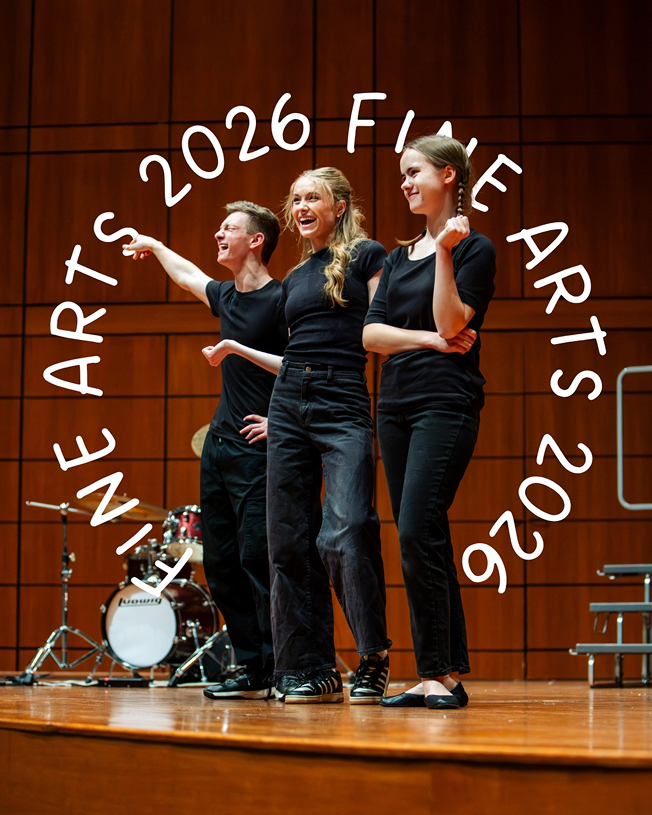
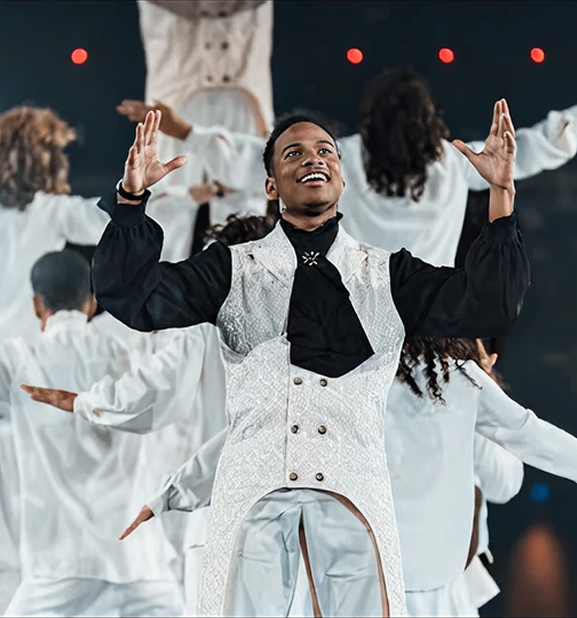
Find the answers that help you launch into the world of human video writing/coaching.
Start with a simple concept and even try using our starter template. Choose a solo or small group, build a clear story, and focus on consistency in rehearsals. You don’t need everything figured out! You just need to begin.
If you feel that writing something original is daunting, use an existing piece. It gives you structure and helps you understand pacing, transitions, and storytelling. Once you’re comfortable, you can adapt or create something more original.
However, if you want to jump right into original writing, do it! It's more effort, but also a really great way to learn the ins and outs.
It needs to be clear, not complex. The audience should be able to follow the message without confusion. Simple, well-executed ideas almost always outperform complicated ones.
Use the judging criteria. If your story is clear, your movements are intentional, and your team is synchronized, you’re on the right track. Remember, clarity and execution matter more than complexity.
Start with 1 - 2 consistent practices per week. As the performance gets closer, increase frequency if needed. Consistency over time is more effective than cramming rehearsals.
You don’t need one to start. Use existing pieces, study other performances, and build collaboratively as a team. Many groups grow into strong programs over time without formal training.
If you want to use an existing piece, but don't have access to the material, try reaching out to the owner of the YouTube video! More often than not, they will be happy to provide you with the track mix. Then, you can use the YouTube video to learn the blocking/acting.
Very important. Your audio track drives pacing, emotion, and transitions. Keep it clean, intentional, and easy to follow. Again, simple is better than overly complex.
If you want something more complex, feel free to reach out to others in your circle who may know how to use audio mixing software. There are many coaches that get help from other mixers on their music.
Study other Human Videos. If you want to take it a step further, evaluate them using evaluator breakdowns. This helps your team understand what works, what doesn’t, and how to apply those lessons to your own performance.
Some coaches will use their practice time to watch other performances as a team and dissect what they do well and how to apply it to their own performance. This is a game changer, especially for newer performers!
The earlier, the better. Give yourself time to build, rehearse, refine, and adjust. Rushed performances rarely reach their full potential.
Also, keep in mind that you have about 3-4 months in between the District Festival and Nationals. You can always refine your performance or change it for Nationals if you would like.