




Without dialogue, every movement, expression, and moment matters, making it one of the most engaging and creative categories in Fine Arts.
It’s also one of the most competitive, pushing groups to elevate their ideas, execution, and storytelling year after year.
Choose your format
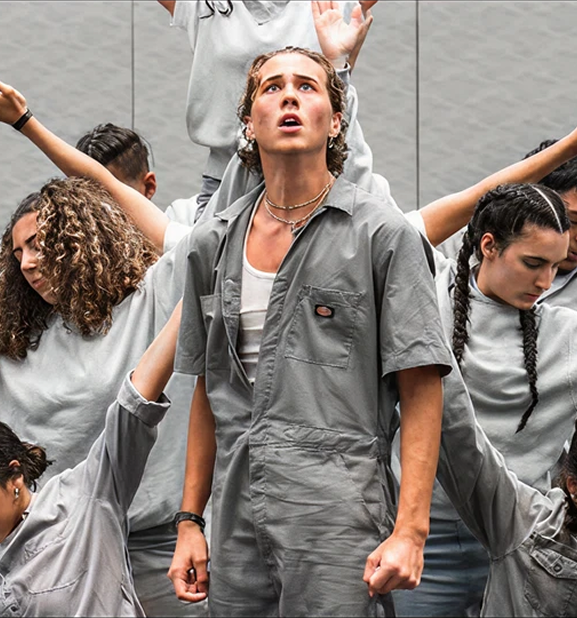
Designed for bigger teams. High-impact, layered storytelling with multiple characters and moments happening at once.
- Performers: 5 - 10
- Length: 7 minutes (typically aim for 6:30 - 6:50)
- Key Elements: Heavy choreography, acting, stunts, and "wow" factor
A more focused performance with a smaller team (2 - 4 performers). Great for tighter storytelling and easier coordination.
- Performers: 2 - 4
- Length: 7 minutes (typically aim for 6:30 - 6:50)
- Key Elements: Heavy acting, storytelling, and emotional impact
A single performer telling a complete story through movement and expression. Simple to start, powerful when executed well.
- Performers: 1
- Length: 5 minutes (typically aim for 4:30 - 4:50)
- Key Elements: Heavy acting, storytelling, and emotional impact
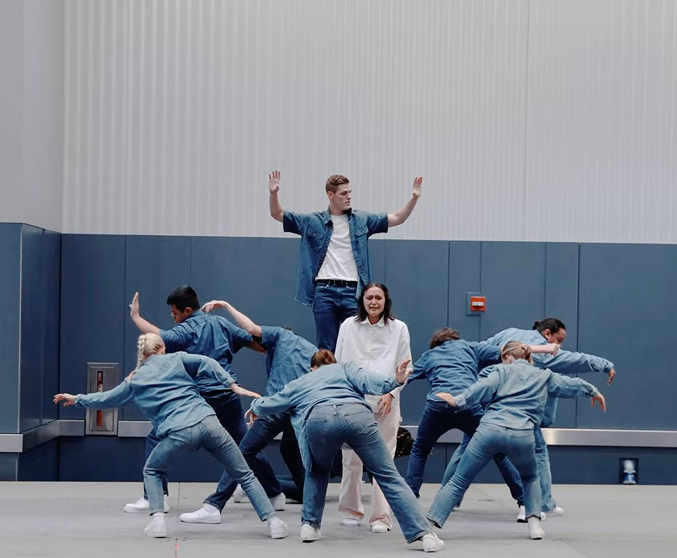
From early ideas to final performance, it creates a shared experience that strengthens friendships, builds trust, and unites students and coaches around a common goal.
For many youth groups, it becomes one of the most impactful and memorable parts of the year.
You don’t need a full team or a polished production to begin.
Many groups start with a Solo or Small Human Video, focusing on simple, clear storytelling before scaling up. What matters most is consistency, not complexity. If you’re new, don’t overthink it.
Some churches even start by using existing Human Videos as inspiration, or recreating past performances, to learn structure, timing, and flow. It’s one of the fastest ways to build confidence, develop your team, and take that first step forward.
A real story of what growth can look like, even for a smaller youth group
"Our youth group had around 20 students with just two sign-ups for Fine Arts when we started participating in 2022.
Now, by 2026, we have grown to 40 youth students, with 16 of those students actively involved in Fine Arts and Human Video. Fine Arts has been a game changer for our youth to build momentum, culture, creativity, and confidence along the way. It is now one of the core elements that keeps our youth group a tight-knit community, and our kids are more than excited when Fine Arts season comes around every year."
It doesn’t happen overnight, but it does happen with consistency.
Your first steps.
Choose your category (solo, small, or large).
Find a concept or reference performance.
Build your music track.
Outline your choreography.
Begin rehearsing and refining with your team.
Find clear answers about what a human video is, how to get started, and what to look for.
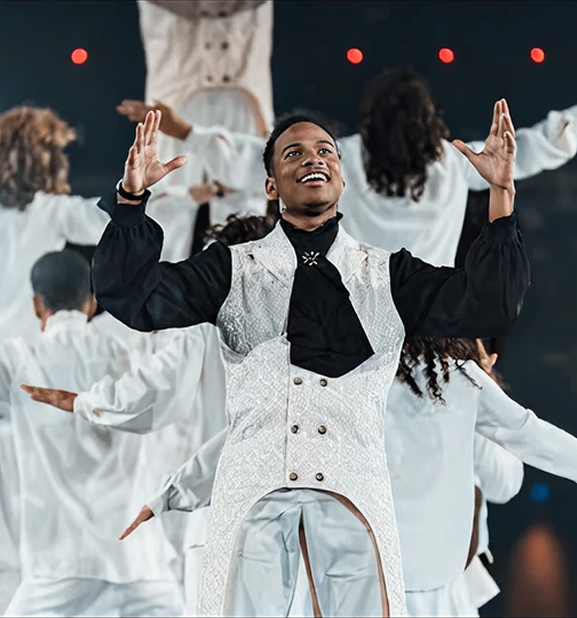
A Human Video is a choreographed performance that uses movement, acting, and music to tell a story without spoken dialogue. Every motion, expression, and transition helps communicate the message.
Not at all. Most groups start with students who have little to no experience. Clear storytelling, strong commitment, and consistency matter far more than technical skill.
Start simple.
Choose a clear message or theme, then build a story around it. Many groups begin by studying or recreating existing Human Videos to understand structure before creating something original.
Choreography is important, but it doesn’t need to be complex.
What matters most is that movements are intentional, clear, and connected to the story.
A coach helps shape the vision, guide rehearsals, refine movements, and ensure the story is being communicated clearly. You don’t need to have all the answers, you just need to lead the process.
Most groups spend several weeks to a few months preparing. The timeline depends on the complexity of the piece and how often you rehearse.
Average time spent practicing is 8-10 weeks, with 1-2 practices per week (2-4 hours per practice). It's usually okay to start with one practice a week, then add another practice closer to Districts. Amount of practices and hours per practice depends on how far along you are in your performance.
Judges typically evaluate:
1 - Clarity of message and storytelling
2 - Choreography and movement quality
3 - Synchronization and timing
4 - Creativity and originality
5 - Overall execution and impact
It’s not about being the most advanced. Just focus on how clearly and effectively you communicate your story.
Yes! Many groups do this when starting out.
It’s a great way to learn structure, pacing, and transitions before building something original.
Solo or Small Human Video is usually the best place to start. It allows you to focus on storytelling without the complexity of managing a large team.
Watch other performances, stay consistent in rehearsals, and focus on small improvements each year. Growth comes from repetition and refinement.
Also, attending Nationals and seeing the best performances each year definitely helps!
100%. If you advance beyond Districts, we can't stress enough the importance of taking your students to the Nationals Festival. It is not only an incredible community builder for your youth, but the long-term impacts it will have are enourmous.
We hear a lot of churches mention they choose Missions over Nationals. We get it, it's an additional cost to fundraise for. However, they are two completely different areas of ministry. Missions is so incredibly important, but so is creating the space for God to refine the gifts and passions He has placed on students' hearts. Pray about it, then trust that God will open the right doors for both Missions and Nationals to happen.
TLDR: we need to see more passionate, excellent creatives in the world on fire for Jesus. Fine Arts Nationals is the launching pad for these students to become the generation that will do just that.